Spotlight: SmartSpaces - building the digital layer behind modern workplaces.
Buildings are becoming increasingly connected. The next challenge is making every technology work as one. In the second edition of our Partner Spotlight series, we speak with SmartSpaces — one of the companies helping shape that connected future for commercial real estate.
Smart Spaces is a leading Smart Building IoT Platform redefining how people interact with today's workspaces. Originating in the UK and now active across 30 countries, supporting 125 mln sq ft globally. By merging building systems, tenant services, and workplace experience into a single digital layer, they connect how buildings run with how people use them.
Today, the line between a "smart building" and a "smart workplace" has vanished. Real estate is no longer judged just by location or design, but by seamless, engaging user experiences.
To drive this shift, Smart Spaces is building an open ecosystem of integrated tech solutions. This collaborative approach is front and center at industry events like PropTech Connect, where the growing network of solution partners will be showcased.
WasteTracker is proud to partner in this innovative ecosystem. Together, we are powering landmark projects like The Form in Warsaw - one of the region's most advanced office buildings. Smart Spaces serves as the core digital nervous system connecting the building and its users, while WasteTracker seamlessly integrates to deliver precise waste measurement and environmental performance data.
Smart Spaces perspective.
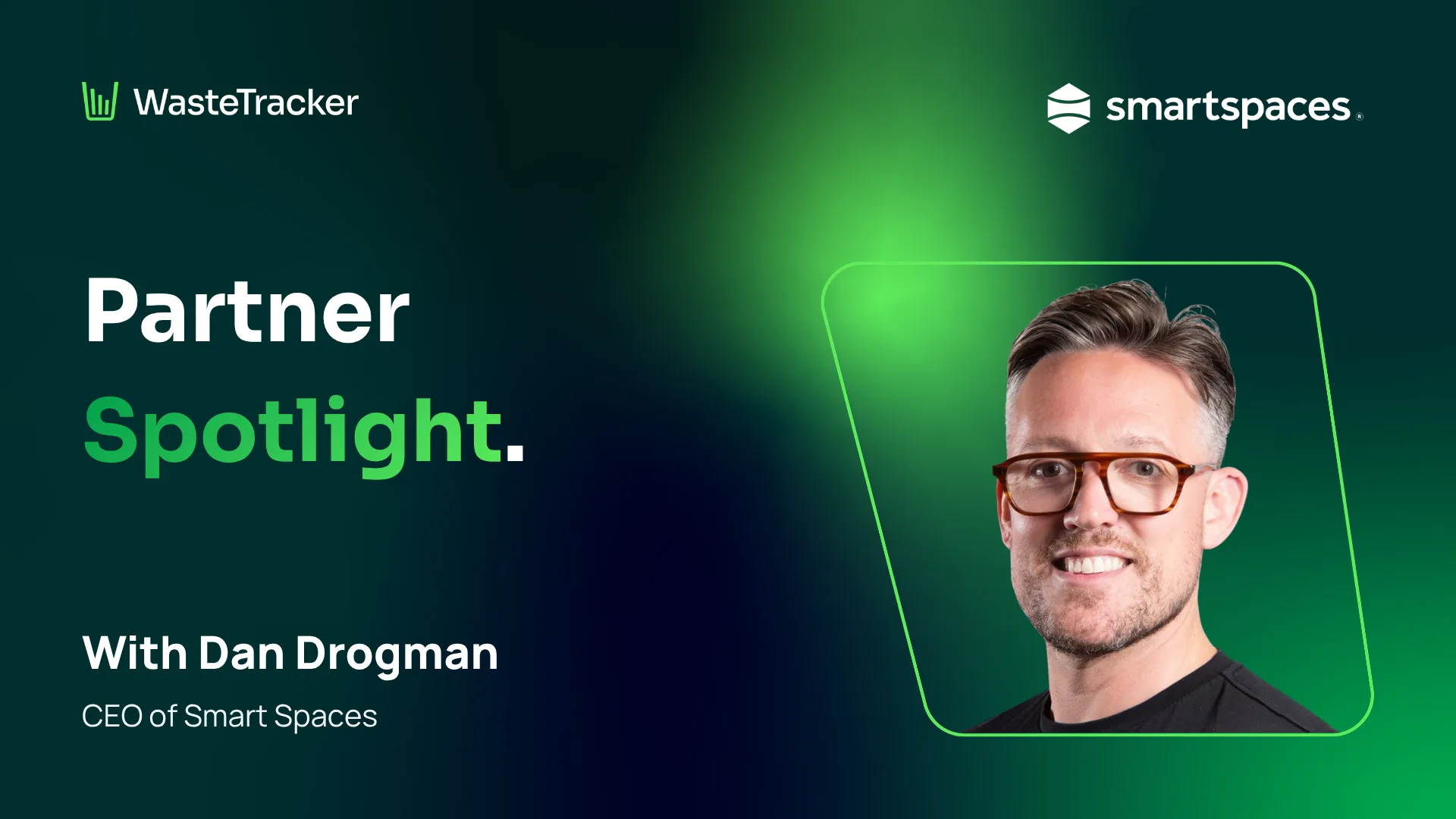
To better understand how smart building platforms are evolving - and what this means for the future of workplace experience and operations - we spoke with Dan Drogman, CEO of Smart Spaces.
- We talk a lot about smart buildings and smart workplaces - are they working as one system yet, or are they still running on parallel tracks?
The industry is moving in the right direction, but many smart buildings and smart workplaces still operate on parallel tracks. Our goal at Smart Spaces is to create a single, frictionless platform that brings those experiences together.
A lot of solutions today are still separate systems stitched together behind the scenes, rather than one truly connected ecosystem with a unified user experience.
- Despite rapid innovation, many buildings still rely on a patchwork of disconnected tools. Why is fragmentation still such a persistent problem in real estate?
A big challenge is the pace and complexity of building development. Different systems are often delivered by different suppliers, all working to separate timelines, so historically it's been easier for systems to operate independently.
The good news is that advances in central network infrastructure are making integration far more achievable, helping the industry move towards more connected environments.
- With such a fast-growing ecosystem of solutions, how do you decide what to develop, what to integrate, what to partner on, and what truly adds value to the end user?
We start with the user journey, looking at every touchpoint within the building experience. From there, we identify the best technologies for each use case, whether that's access control, lockers or workplace services.
Rather than building everything ourselves, we focus on integrating best-in-class solutions into one seamless platform that genuinely improves the user experience.
- You've recently introduced Max - your space agent. Who is he/it, what role does he/it play within the Smart Spaces ecosystem?
Max is our intelligent space agent that sits across the Smart Spaces ecosystem. With visibility across connected systems, Max can provide proactive support, insights and recommendations that improve the occupier experience.
The aim is to make workplaces more intuitive, connected and responsive to user needs.
- What do you believe will define the next generation of smart buildings and workplaces?
We'll all become the batteries for AI! But seriously, AI and connected systems will define the next generation of smart buildings and workplaces. Technology will become far more proactive and almost invisible, removing friction from everyday experiences.
In the future, buildings will anticipate user needs automatically, whether that's a locker or speed lane opening as you approach or a reminder that you've left your gym kit behind before you leave the office.