


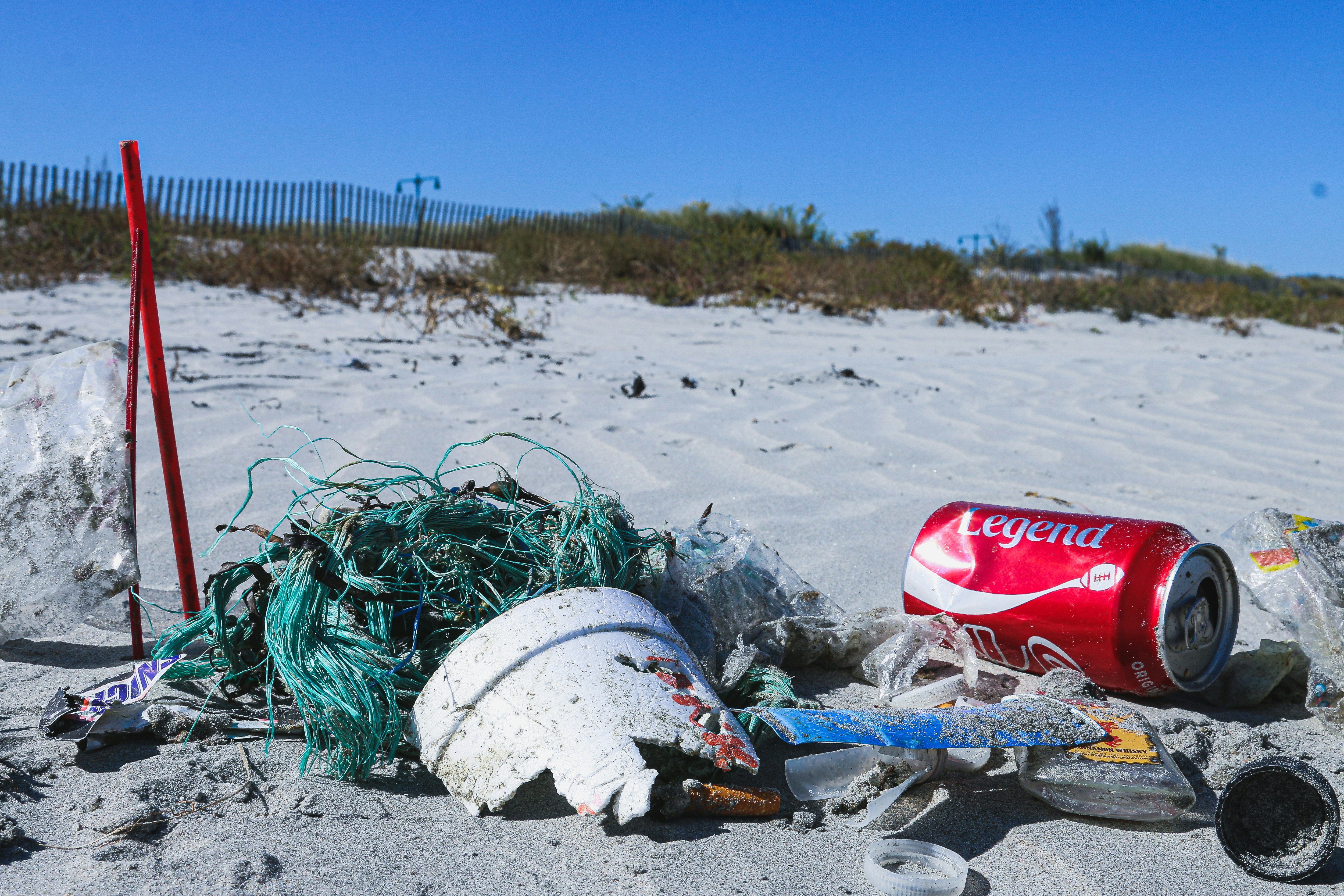
The world is running out of time to contain the rising tide of plastic pollution. A new global assessment shows just how critical the next decade will be - and what we must do to change course.
Plastic has become so embedded in the global economy that its growth now outpaces our capacity to control its impacts. The PEW Breaking the Plastic Wave 2025 report makes this reality unmistakable: production is rising, waste systems are under strain, and environmental leakage continues to expand.
Report published by The Pew Charitable Trusts and its partners, arrives at a moment when the world is urgently seeking clarity on the path forward. The report acts as a global lens, offering hard data, realistic scenarios, and a roadmap that cuts through confusion: if nothing changes, we face an exponentially worsening crisis. If we act, the curve can still bend - dramatically.
The Breaking the Plastic Wave initiative began with a simple premise: decision-makers cannot act effectively without a complete view of the problem. Earlier studies focused on isolated issues - production, recycling, pollution, chemical impacts - but few examined how these pieces interact.
PEW partnered with researchers across disciplines to build a unified system model. The 2025 update expands on this work, integrating the latest data on production trends, consumption patterns, waste-management capacity, and environmental impacts. This makes it one of the most reliable global references available to guide policy, investment, and innovation.
If nothing changes, the “business as usual” trajectory points to a radically worse situation by 2040. But - and this is important - the report also shows a viable path to reverse the trend.
According to the report:
In short: the mismatch between growing production and inadequate waste management is driving us toward a major global waste crisis.
Despite the bleak baseline, the report’s biggest strength lies in showing that we already have the tools to change course - if we apply them together.
In other words: the crisis isn’t inevitable. What is needed is scale, coordination, and commitment.
The report’s roadmap points to several prioritized interventions:
.jpg)
The Breaking the Plastic Wave 2025 report is more than a document; it is a reminder that crises grow when systems fail, but solutions grow when systems align. It gives us an evidence-based pathway forward, grounded in science and realism rather than wishful thinking.
For those of us working in the waste, recycling, and circular-economy space, the implications are clear: our work sits at the center of one of the defining environmental challenges of our time.
At WasteTracker, this means continuing to build tools and insights that strengthen decision-making, support transparency, and help cities and companies move toward more sustainable systems. Because while the scale of the challenge is immense, the opportunity to turn the tide has never been clearer - or more necessary.
*virgin plastic made from fossil fuels that has not been used or recycled before
Source: https://www.pew.org/en/research-and-analysis/reports/2025/12/breaking-the-plastic-wave-2025


